 ultimate-guide
Average Cost of Historic Wedding Venues: 2026 Guide
Table of Contents
- What Historic Wedding Venues Actually Cost
- The Real Wedding Venue Cost Breakdown
- What Historic Wedding Venue Packages Include
- Wedding Venue Hidden Fees That Change the Total
- Cost by Guest Count, Season, and Day of Week
- Questions to Ask a Wedding Venue Before You Sign
- How to Compare Historic Venues and Stay on Budget
- Frequently Asked Questions
Last Updated: October 22, 2026
What Historic Wedding Venues Actually Cost
The average cost of historic wedding venues in the United States runs higher than a standard banquet hall, and the gap comes from the building itself: restoration upkeep, limited load-in access, and preservation rules all carry a price.
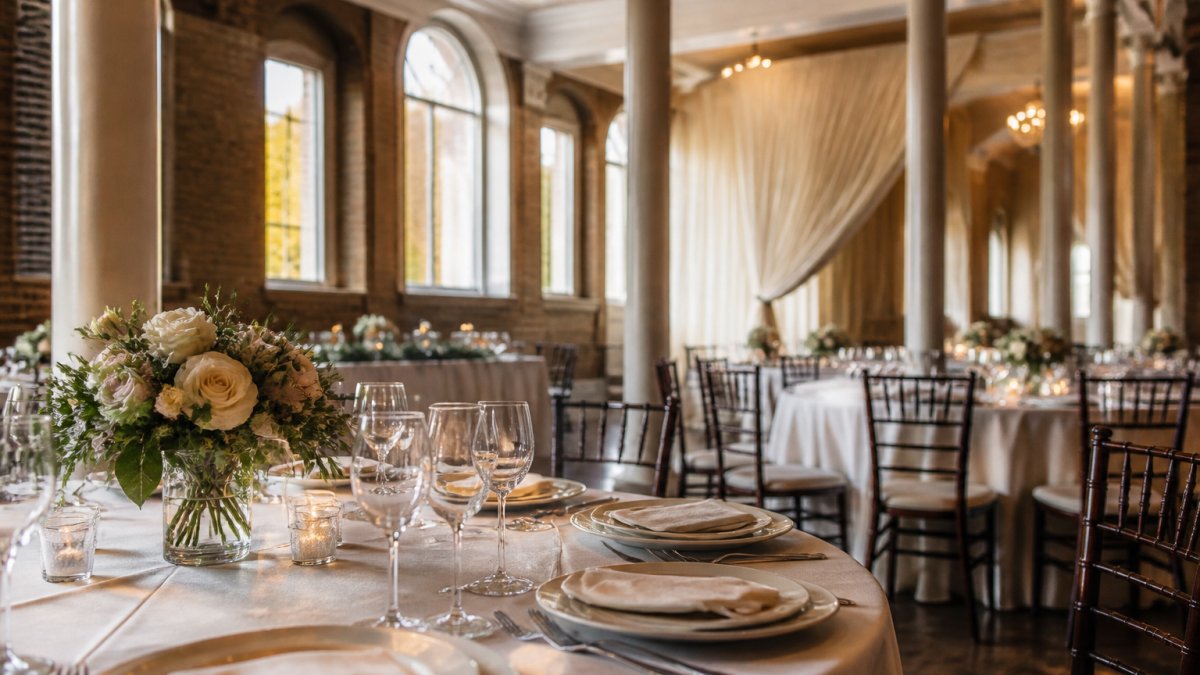
Historic wedding venues are properties of documented architectural or cultural significance, estates, mansions, landmark buildings, restored commercial halls, rented for private events.
Why Historic Properties Price Differently
Three cost drivers separate a historic property from a plain event room. Maintenance: older buildings need ongoing structural, plaster, and systems work, baked into every rental. Capacity limits: load-bearing walls mean fewer guests per square foot, so you rent more space for the same headcount. Access restrictions: narrow stairwells and original doorways can rule out certain rentals, caterers, and staging unless the venue has retrofitted.
The Real Wedding Venue Cost Breakdown
A wedding venue cost breakdown has five lines, not one: the rental fee, the service charge, required extras, vendor requirements, and refundable deposits. Couples who budget only the rental fee routinely overspend, because on a full-service historic property that fee is usually the smallest of the five.
Here is how those lines behave in practice:
| Cost Line | What It Covers | How It Varies |
|---|---|---|
| Venue rental fee | Exclusive use of the space for a set window | Season, day of week, guest count, rental duration |
| Service charge | Staffing, setup, cleaning, coordination | Usually a percentage of the food and beverage total, commonly in the high teens to low twenties |
| Required extras | Insurance, security, coat check, parking attendants, preservation fees | Fixed per event or per guest; higher on protected buildings |
| Vendor requirements | Approved caterer list, licensed bar service, preferred rental partners | Markup if you must use in-house partners; approval fee for outside vendors |
| Refundable deposit | Damage and overtime protection, restoration holdback | Returned after inspection; timing varies by property |
Rental Fee, Service Charge, and Required Extras
The rental fee buys time and space, nothing more. Service charges cover the labor that makes the room function and are frequently a percentage of catering, so they rise with your menu budget.
Required extras are the line most couples miss: event liability insurance, security staffing for bar service, and sometimes a maintenance or restoration contribution specific to older buildings.
A Worked Example at 100 Guests
Headline prices are useless without a guest count. Here is how the five lines stack for a 100-guest Saturday evening event at a full-service historic property, using round figures for illustration:
- Rental fee: a mid-range historic property might quote a four-figure to low five-figure rental for a peak Saturday, falling on a Friday or Sunday.
- Catering and bar: the largest line, quoted per person and driven by menu and bar package.
- Service charge: a percentage of the catering and bar total, so it scales with your menu, not your rental.
Converting to Cost per Guest
Divide the all-in total by guest count to compare properties. A higher rental fee with a lower food and beverage minimum and no preservation fee can land at a lower cost per guest than a cheaper room with a minimum you cannot hit. Model three guest counts, your target, 20 below, and 20 above, because minimum spends and capacities both bite at the edges.
Ask every property to quote all five lines in writing, with tax and service charge shown separately. A quote showing only the rental fee is not a quote, it is an opening position.
What Historic Wedding Venue Packages Include
Historic wedding venue packages vary widely, and the word "package" does a lot of unearned work. Some bundle tables, chairs, linens, and a day-of coordinator. Others include the building and four walls.
What commonly appears in a full-service package:
- Tables, chairs, and basic linens
- Setup and breakdown labor
- On-site venue coordinator
What almost never appears, even in a package: catering, bar service, floral, photography, rentals beyond the basics, and overtime. Confirm each item on the list individually, in writing, with the quantity specified.
Wedding Venue Hidden Fees That Change the Total
Wedding venue hidden fees are rarely hidden on purpose, they are simply not in the first quote. On a historic property they cluster around the building's age, its legal protections, and the contract's fine print:
- Overtime charges for load-in, rehearsals, or late receptions, often billed per hour per staff member
- Security and off-duty police requirements for events serving alcohol, sometimes mandated by the property's insurance carrier
- Event liability insurance, purchased through the venue's carrier or bound independently, with a certificate due before the event
The Historic-Property Lines Competitors Skip
Three fee categories are close to unique to older buildings, each worth understanding before you sign.
Restoration holdbacks. Some properties hold a refundable amount against damage to plaster, millwork, or original windows, released only after an inspection that can take weeks.
Access and load-in surcharges. Narrow stairwells, original doorways, and freight elevators with weight limits can require smaller delivery vehicles, hand-carry labor, or a crane for tenting.
Contract Terms That Move the Total
The quote is one document; the contract is where the total actually lives. Read these clauses before comparing:
- Deposit and payment schedule. A common pattern is a non-refundable retainer at signing with the balance due 30 to 90 days before the event. A venue wanting the full balance 90 days out holds your money longer than one billing at 30 days.
- Cancellation and rescheduling. Ask what percentage is retained at 180, 90, and 30 days out, and whether a reschedule carries a fee even if the new date is cheaper.
- Force majeure. Confirm whether a restoration project, a city permit issue, or a weather event triggers a refund, a credit, or nothing.
How to Negotiate the Lines That Flex
Not every line moves, but some do. Fridays, Sundays, and off-season dates have more room than peak Saturdays. Setup hours and rehearsal slots are often the easiest concession because they cost the venue little. Push on vendor restrictions: if the approved caterer list is short, ask whether an outside caterer can be approved for a fee, and compare that fee against the in-house markup.
Add every one of these to your working budget before comparing properties. A higher rental fee with no required extras can cost less than a cheaper room with six add-ons, and on a historic property, the add-ons are where the surprises live.
Cost by Guest Count, Season, and Day of Week
Guest count, season, and day of week move the total more than any negotiation tactic.
Divide your all-in venue total by guest count. If two properties land at a similar cost per guest, the decision comes down to inclusions and access, not price.
Season and day follow a predictable pattern. Peak-season Saturdays command the highest fees and least flexibility. Fridays, Sundays, and off-season dates carry lower fees and more negotiating room.
Questions to Ask a Wedding Venue Before You Sign
The questions to ask a wedding venue before signing fall into four buckets: money, access, restrictions, and contingency. Ask all four in one conversation and get the answers in writing.
Money
- What is the total, including service charge and every required extra?
- Which items are mandatory versus optional?
- What triggers overtime, and what does it cost per hour?
Access
- What time can vendors load in, and what time must the room be clear?
- Is the building fully accessible for guests using wheelchairs or with limited mobility?
- Where do guests park, and is there a shuttle requirement?
Restrictions
- Are candles, confetti, hanging installations, or open flames allowed?
- Is there an approved caterer list, and what is the fee to use an outside one?
- Does the building's age limit sound levels, floor loads, or rigging?
Contingency
- What is the cancellation and rescheduling policy?
- What happens if a restoration project is underway during our date?
- Who is on site during the event, and how do we reach them?
For properties on the National Register of Historic Places, preservation rules can restrict exterior signage, tenting, and structural modifications, so confirm those limits before you design anything around them. The National Park Service guidance on historic properties explains how listing affects alteration and use.
How to Compare Historic Venues and Stay on Budget
Comparing historic venues fairly means normalizing every quote to the same inputs: guest count, date type, rental duration, and inclusions.
A few working rules that keep budgets intact:
- Set your venue ceiling at roughly a third of the total wedding budget, then hold it.
- Get three quotes at your actual guest count, not the venue's advertised capacity.
- Price the required extras before you fall in love with a room.
- Ask what the venue can include at no added cost, such as extra setup hours or a rehearsal slot.
- Read the contract's cancellation and force majeure clauses before signing.
Accessibility deserves its own line in the comparison. The ADA Standards for Accessible Design set the baseline requirements public accommodations must meet, and a venue should be able to tell you plainly where it stands.
For couples weighing a landmark building against a newer space, the IRS guidance on tax-exempt historic preservation easements is worth understanding, because easement terms sometimes restrict commercial event use and can affect what a property is allowed to offer.
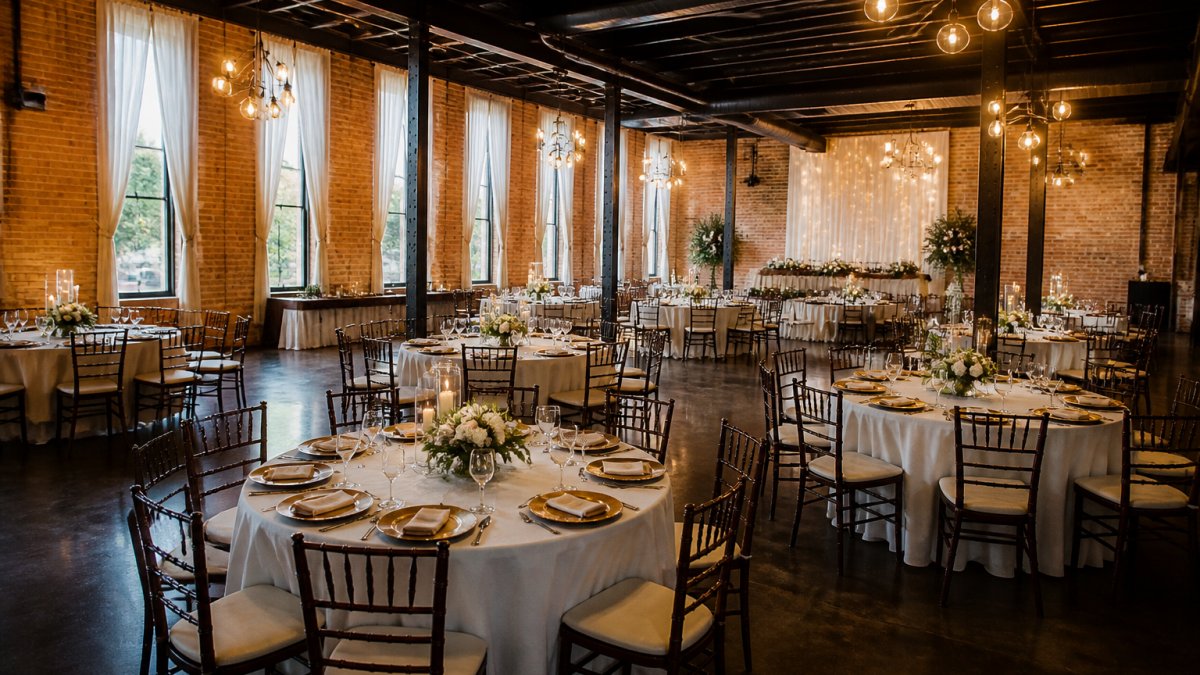
Our restored 1870 hall pairs exposed brick and original tin ceilings with modern systems, and the rustic speakeasy gives corporate groups and milestone celebrations a second room without a second rental.
Frequently Asked Questions
What is the average cost of a historic wedding venue?
There is no single national average, because historic wedding venues price by region, guest count, season, and day of week. A restored hall in a small downtown typically costs less than a landmark estate with gardens. Most couples should expect the rental fee to cover only the space and basic furnishings, with catering, rentals, and staffing billed separately. Request itemized quotes from three or four historic wedding venues in your area and compare the all-in totals, not the headline rental number.
What is usually included in a historic wedding venue rental fee?
Most rental fees cover exclusive use of the space for a set window, tables and chairs, basic lighting, and access for setup and cleanup. Some historic wedding venue packages add a getting-ready suite, a bar area, or a ceremony space. Catering, linens, china, and decor are usually separate. Ask for the rental agreement to list exactly what is included, plus the hours of venue access, so you can price the gaps yourself before you sign.
Why can historic wedding venues cost more than other venues?
Older buildings carry costs that modern event spaces do not: preservation and maintenance work, limited load-in access, and rules about what can be attached to walls or floors. Many historic properties also require approved caterers and licensed vendors, which narrows your options. Those restrictions protect the building, but they can raise the total bill. Ask what the maintenance or restoration fee covers and whether vendor requirements add cost before you compare historic wedding venues with newer spaces.
What extra fees should couples expect at a historic wedding venue?
Watch for a service charge on catering (often 18 to 22 percent), state and local sales tax, a security or cleaning deposit, overtime fees if your event runs past the contracted time, and charges for extra setup hours. Some venues add a required insurance policy or a staffing minimum. Wedding venue hidden fees like these can add several hundred to several thousand dollars, so ask for a sample final invoice from a past event and read the cancellation and overtime clauses closely.
How can you compare historic wedding venue packages fairly?
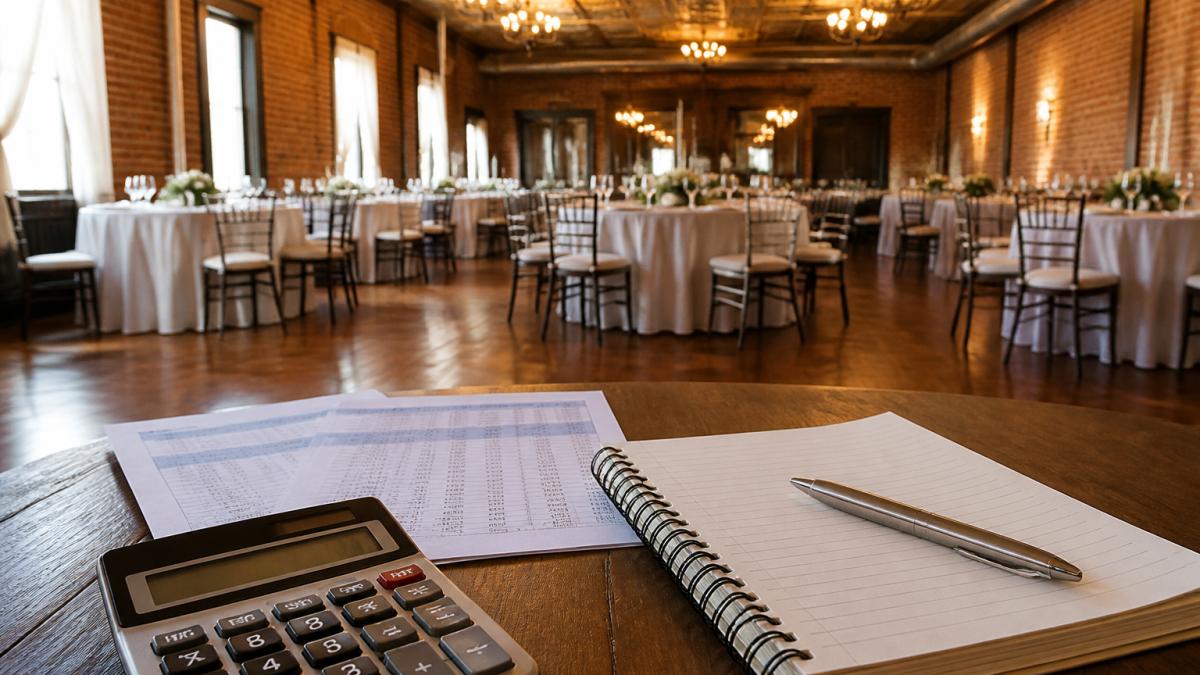
Build a like-for-like comparison sheet. For each venue, list the rental fee, hours of access, what furnishings are included, required vendors, service charge, tax, and deposit. Then add your estimated catering and rental costs to each column. A venue with a higher rental fee but flexible vendor rules can cost less overall than a cheaper space with strict approved-caterer requirements. Compare the all-in total for the same guest count and date, and ask each venue for a written estimate.
When should you book a historic wedding venue?
Popular historic wedding venues book 12 to 18 months ahead for peak Saturdays in spring and fall. If you want a June wedding, start touring venues at least a year out. Off-season dates, Fridays, and Sundays are usually easier to secure and often cost less. Ask about venue availability for your target month before you fall in love with a space, and confirm the hold period and deposit schedule so you do not lose the date to another couple.
The challenge with historic venues is not finding a beautiful one. It is comparing them honestly, when every property quotes a different set of lines. 1835 Event Hall makes that comparison straightforward: a restored 1870 building with exposed brick, original tin ceilings, and a rustic speakeasy, all in one rental. Contact us for a full written cost breakdown before you commit to a date, and see what your budget actually buys.