 Comparison
What to Look for in Modern Corporate Event Space Rental in Ohio
Last Updated: November 8, 2026
Quick Summary
Modern corporate event space rental in Ohio should deliver exposed brick, natural light, flexible floor plans, and AV that works on the first try. Look for tested technology, capacity quoted by configuration, and an all-in quote rather than a base rate. 1835 Event Hall, an 1870 building in downtown Covington, was restored for exactly that mix.
- Ask three AV questions before signing: what is included, what needs a vendor, and where outlets sit.
- Request capacity by configuration, since a room seating 300 theater-style may hold 150 at rounds.
- Put every quote on one template covering space fee, minimum, service charge, tax, AV, parking, insurance, and overtime.
- Confirm step-free entry, accessible restrooms, and elevator access rather than accepting general assurances.
- Send attendees a logistics note with address, parking instructions, and entry point a week ahead.
Table of Contents
- What Modern Corporate Event Space Rental in Ohio Actually Delivers
- Corporate Event Venue Amenities That Matter for Business Gatherings
- Corporate Event Space Rental Cost: What Drives the Price
- Matching Venue Capacity and Region to Your Event Size
- Corporate Retreat Venues in Ohio: What Separates a Good Retreat from a Great One
- Your Corporate Event Planning Checklist Before You Sign a Contract
- Accessibility, Parking, and Attendee Logistics to Confirm
- Tour 1835 Event Hall Before You Book Your Corporate Event
- Frequently Asked Questions
What Modern Corporate Event Space Rental in Ohio Actually Delivers
Modern corporate event space rental in Ohio has moved past the hotel ballroom default.

A modern corporate event venue is a space built or restored for business gatherings, with reliable technology, configurable rooms, and clear rental terms. The definition matters because "modern" describes capability, not age.
Here's the distinction most venue listings blur: historic character and modern function are not opposites. They're a package deal when the restoration was done properly.
If you're early in the process, our guide on how to choose a venue for professional gatherings walks through the evaluation criteria in more depth.
Corporate Event Venue Amenities That Matter for Business Gatherings
The amenities that decide whether a corporate event succeeds are technology, layout flexibility, and power access. Décor ranks lower than most planners assume. A beautiful room with one overloaded circuit and a dead microphone zone will ruin a quarterly meeting faster than plain walls ever could.
Technology and AV Infrastructure
Ask three questions before signing: what AV is included, what requires a vendor, and where the outlets sit. A room with floor-to-ceiling windows and no blinds creates glare on every screen after 3 p.m. Historic buildings add a wrinkle, since original walls can block wireless signals. Confirm the venue has tested coverage in the room you're booking, not just the lobby.
Layout Flexibility and Room Configuration
Guest capacity means little without knowing the setup. A space that seats 300 theater-style may hold 150 at rounds with a dance floor. Ask for capacity by configuration, not a single headline number. Our guide on hosting corporate events in historic spaces covers how older buildings handle layout changes.
Corporate Event Space Rental Cost: What Drives the Price
Corporate event space rental cost in Ohio depends on day of week, season, guest count, and what's bundled into the fee. Pricing depends on quantity, dates, and what's included, so request a current quote from 1835 Event Hall for its rates. But the base rental rate is the least useful number on a quote, the all-in figure is what your finance team will actually approve.
Marketplace listings show the spread. Peerspace's Columbus corporate venue listings report hourly rates with wide variation by space, while Tagvenue's Ohio venue directory shows hire fees that vary substantially by listing and duration. Neither tells you what's included, which is the number that actually matters.
The Fee Lines That Move a Corporate Quote
Most venue contracts are built from the same handful of line items. Ask for each one in writing before you compare two venues side by side:
| Cost Line | What to Confirm | Why It Matters |
|---|---|---|
| Rental fee | Hours included, overtime rate, day-of-week tiers | Overtime and peak-date premiums add up fast |
| Rental minimum | Food-and-beverage minimum vs. flat space fee | A minimum can exceed the space fee you were quoted |
| Setup and cleanup | Included or billed hourly; who counts as setup time | Often the hidden line item |
| AV and sound | In-house included gear vs. outside vendor | Vendor rentals add cost and coordination |
| Catering | Approved list or open choice; service charge and gratuity | Exclusivity and service fees affect total spend |
| Parking | On-site, validated, or street; per-space cost | Attendee experience and cost |
| Insurance | Required? Who provides it? Certificate cost | Can delay a contract late |
| Deposit and balance | Percentage due at signing, balance due date | Cash-flow timing for your AP team |
| Cancellation and reschedule | Refund tiers by days out; transferability | The clause that decides your risk |
Ask for the all-in number, not the base rate.
Minimums, Deposits, and Overtime in Plain Terms
A rental minimum is the floor you must spend on food and beverage (or on the space itself) for the venue to hold your date. A deposit is the portion of the total due at signing. Overtime is billed when your setup, event, or breakdown runs past the contracted window, so confirm those terms with 1835 Event Hall.
Watch out: compare the full terms of any venue quote, including minimums, service charges, and gratuity.
How to Build a Comparison-Ready Budget
Put every quote on the same template: space fee, minimum, service charge, tax, AV, parking, insurance, and overtime rate. Then calculate cost per attendee at your actual head count, not the room's maximum. A room that fits 200 but hosts your 80-person meeting may price better per seat than a smaller room with a lower fee.
Before you sign, confirm the cancellation and reschedule terms in writing, including how the deposit is applied if you move the date. Those terms, not the rental rate, are what protect your budget when plans shift.
Matching Venue Capacity and Region to Your Event Size
Capacity and region should be chosen together, not sequentially. A 40-person leadership offsite and a 300-guest company celebration need different rooms and different drive times for attendees. The fastest way to narrow a venue list is to start from the event's purpose, then apply capacity math, then map the region.
A Decision Framework by Event Purpose
| Event Type | Typical Head Count | Room Priority | Region Priority |
|---|---|---|---|
| Leadership offsite | 10-40 | Quiet breakout rooms, natural light, reliable Wi-Fi | Short drive from HQ or a central meeting point |
| Board or client meeting | 8-25 | Privacy, AV, power at every seat | Easy parking and a professional arrival |
| Training or workshop | 25-100 | Configurable tables, screens, whiteboard access | Highway access for commuters |
| Networking reception | 50-200 | Open floor, bar placement, flow between zones | Downtown or hotel-adjacent for after-hours |
| Company celebration | 100-300 | Stage, dance floor, catering capacity | Regional draw with nearby lodging |
Typical Head Count
Use the table to set a head-count range and a room priority before you tour anything. It keeps you from falling for a beautiful space that can't hold your agenda.
Capacity Math: Configuration Beats the Headline Number
Guest capacity means little without knowing the setup. A space that seats 300 theater-style may hold 150 at rounds with a dance floor, and fewer once you add a stage, bar, buffet, or AV riser. Ask for capacity by configuration, theater, rounds, classroom, reception, and seated dinner, and subtract space for anything that isn't seating. A room listed for 350 guests may only hold that number theater-style with no bar, buffet, or stage.
Watch out: booking on headline capacity alone. Confirm the configuration you actually need, and ask the venue to mark the floor plan with your stage, bar, and buffet placement.
Mapping the Region Around Your Attendee Base
Attendee location matters when choosing a venue. A downtown location with easy highway access can make travel simpler for guests. For a regional draw, check nearby lodging and the drive time from the largest cluster of attendees, not from your office. For a commuter-heavy event, confirm parking count and the walk from parking to the entrance before you commit.
Logistics That Decide the Full Attendee Experience
Accessibility and parking decide whether guests arrive relaxed or frustrated. Confirm step-free entry, accessible restrooms, and elevator access if the event spans floors. Historic buildings vary widely here, so ask for specifics rather than assurances. Ask how many parking spaces are on-site, whether they're reserved, and what the overflow plan is. For evening events, confirm lighting between parking and the entrance. Send attendees a logistics note with the address, parking instructions, and entry point a week ahead. Small detail, large effect on how the night starts.
Corporate Retreat Venues in Ohio: What Separates a Good Retreat from a Great One
Corporate retreat venues in Ohio are often judged by whether a space supports both focused work and downtime in the same day.
A distinctive room helps more than planners expect. The rustic speakeasy at 1835 Event Hall is a unique feature that can give teams a distinctive gathering space.
Your Corporate Event Planning Checklist Before You Sign a Contract
A corporate event planning checklist should cover five items before signature: total cost, inclusions, cancellation terms, setup access, and insurance requirements. Miss any one and you're negotiating from weakness later.
- Written quote with every fee itemized, including overtime and cleanup
- Setup and breakdown windows confirmed in writing
- Cancellation and reschedule terms, including deposit refund rules
- Certificate of insurance requirements and who provides coverage
- AV, power, and internet specs tested in your specific room
- Catering policy: approved vendors, kitchen access, service fees
- Parking count and accessibility confirmed for your guest profile
Before you sign, read what to know before you book a historic event hall. If your planner is handling negotiations, the right questions to ask a historic venue covers the ones that surface hidden costs early.
Accessibility, Parking, and Attendee Logistics to Confirm
Accessibility and parking decide whether guests arrive relaxed or frustrated. Confirm step-free entry, accessible restrooms, and elevator access if the event spans floors. Historic buildings vary widely here, so ask for specifics rather than assurances.
Parking deserves the same scrutiny. Ask how many spaces are on-site, whether they're reserved, and what the overflow plan is. For evening events, confirm lighting between parking and the entrance. Send attendees a logistics note with the address, parking instructions, and entry point a week ahead. Small detail, large effect on how the night starts.
Tour 1835 Event Hall Before You Book Your Corporate Event
Choosing a corporate venue comes down to one test: can the room do what your agenda requires, and can the venue prove it? Most planners answer that question on a tour, not on a website.
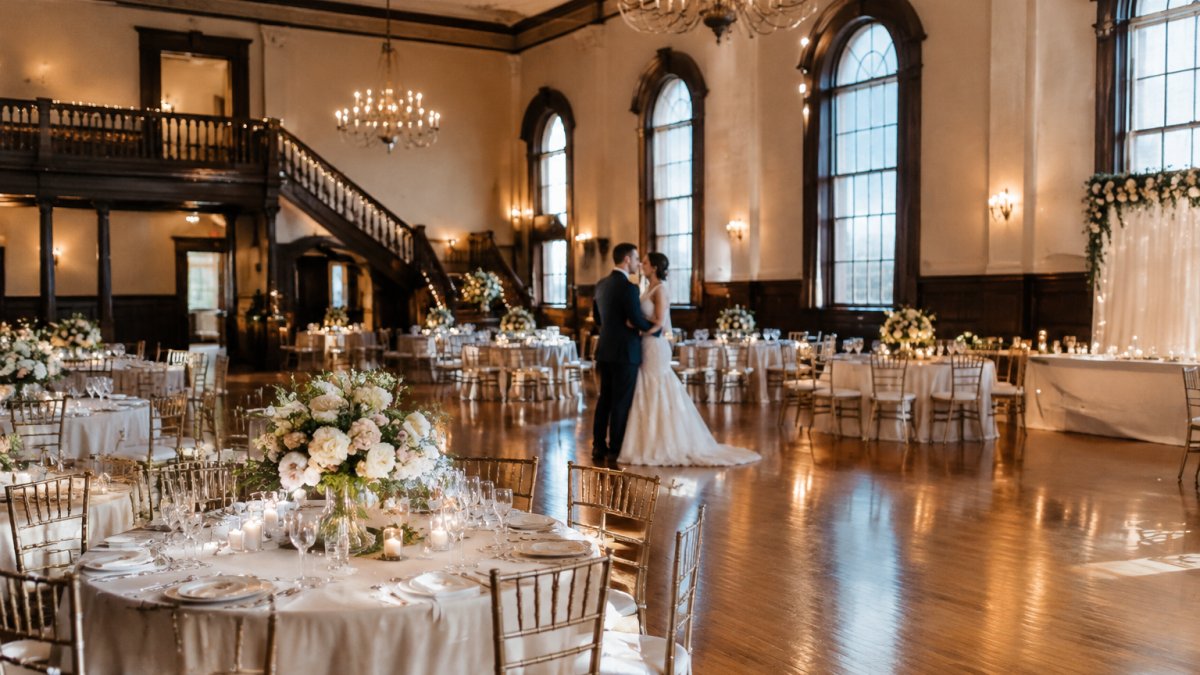
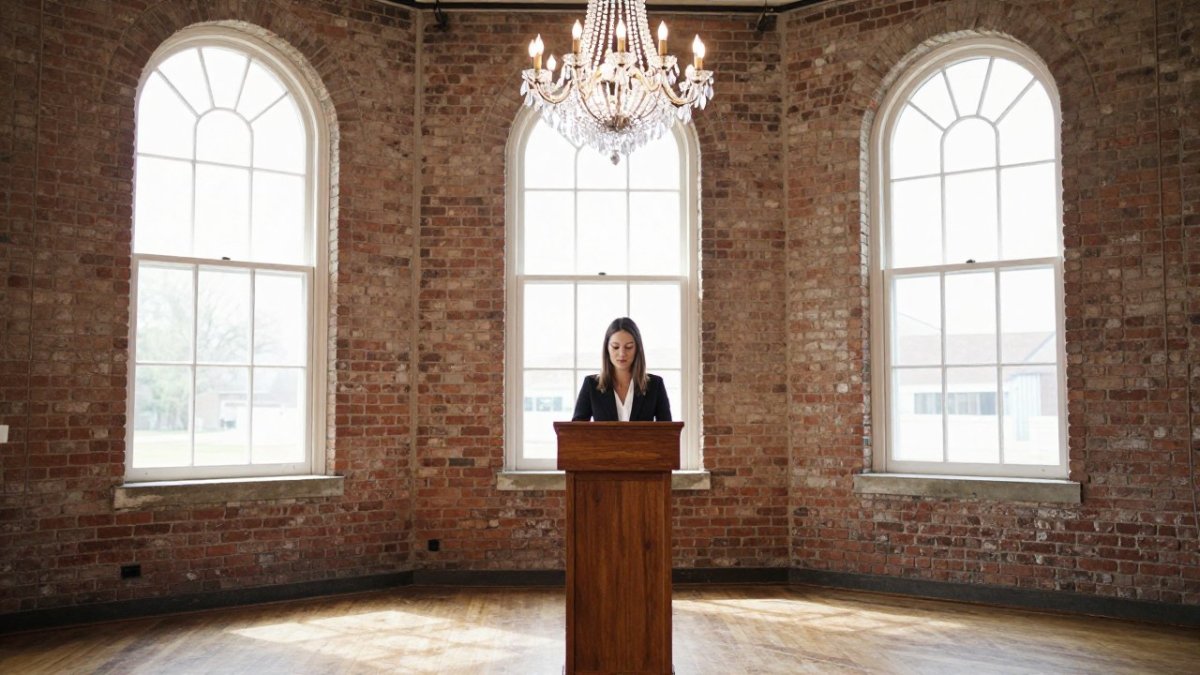
1835 Event Hall is located in the heart of downtown Covington, Ohio. The 1870 building features exposed brick and original tin ceilings, and includes a unique rustic speakeasy.
Bring your head count, your agenda, and your AV questions when you contact 1835 Event Hall.
Get started with 1835 Event Hall and book a tour before your next date holds.
Frequently Asked Questions
What should I look for in a corporate event venue?
Start with capacity and layout: confirm the room holds your guest count comfortably in the configuration you need, whether theater, banquet, or classroom. Then check the amenities that affect the program itself, including AV equipment, Wi-Fi strength, and whether the space allows outside catering. Ask what is included in the rental fee versus billed separately, and confirm parking and accessibility. A venue that answers these questions clearly before you sign is usually easier to work with on event day.
How much does it cost to rent a corporate event space in Ohio?
Corporate event space rental cost in Ohio varies widely by city, venue style, day of week, and what is bundled into the agreement. Pricing depends on quantity, dates, and what is included, so request a current quote from 1835 Event Hall. Request a written quote that lists every included item and every extra fee.
What amenities should a modern corporate event space include?
Look for the amenities that matter for your event, and ask 1835 Event Hall to confirm them in writing. Parking, climate control, and clear load-in access for vendors matter as much as the room itself. Ask for the full amenity list in writing.
How far in advance should I book a corporate event venue?
For weekday meetings and smaller gatherings, four to eight weeks usually gives you room to compare options. Holiday parties, retreats, and any event in a popular season benefit from three to six months of lead time, especially if you need a specific date. Ask about the deposit schedule and cancellation terms at the same time you check availability, because those terms determine how much flexibility you keep if plans change.
How can I estimate the space needed for a corporate event?
Plan by configuration rather than square footage alone. Add space for a stage, buffet lines, and registration tables on top of the guest count. Ask 1835 Event Hall for capacity figures for each setup you are considering.